
Choosing between a composite door and a uPVC door can feel tricky, but it doesn’t have to be. Both are popular, and each has its perks depending on what you want from your front door.
Let’s start with uPVC doors
They’re lightweight, low-maintenance, and usually cheaper than composite options. Wipe them down now and then, and they’ll stay looking nice and fresh for years. uPVC is also energy-efficient and comes in a range of colours and styles, though it can sometimes look a bit plain compared to more premium doors.
Composite doors, on the other hand, are a mix of materials
They usually have a solid timber core with a durable outer skin. That makes them heavier, sturdier, and more secure. They also tend to look more like real wood, giving a more premium, traditional feel to your home. Energy efficiency is excellent too, and because of the solid build, they generally last longer than uPVC. For composite doors Cardiff, you can consider professionals such as choicetradeframes.co.uk/composite-doors/cardiff/ where you can find a wide choice.
Colourful doors, not just simple whites, are in vogue this year.
Think about budget versus longevity
uPVC is lighter on the wallet upfront, while a composite door is an investment in durability, style, and security. Also consider security and feel. Composite doors often have better multi-point locking systems and a more substantial feel when you open and close them. Think about appearance and style. If you want a classic, wood-like look with lots of character, composite is the way to go.
Signs an existing uPVC door needs replacing
Before choosing a new door, it helps to know when the old one has reached the end of its life. uPVC doors are durable and low maintenance, but they do not last for ever. Look for visible wear such as fading, warping or discolouration caused by years of weather. Cracks, chips or other structural damage can weaken the door and let cold air into the house, and a tired front door also takes something away from your home’s kerb appeal.
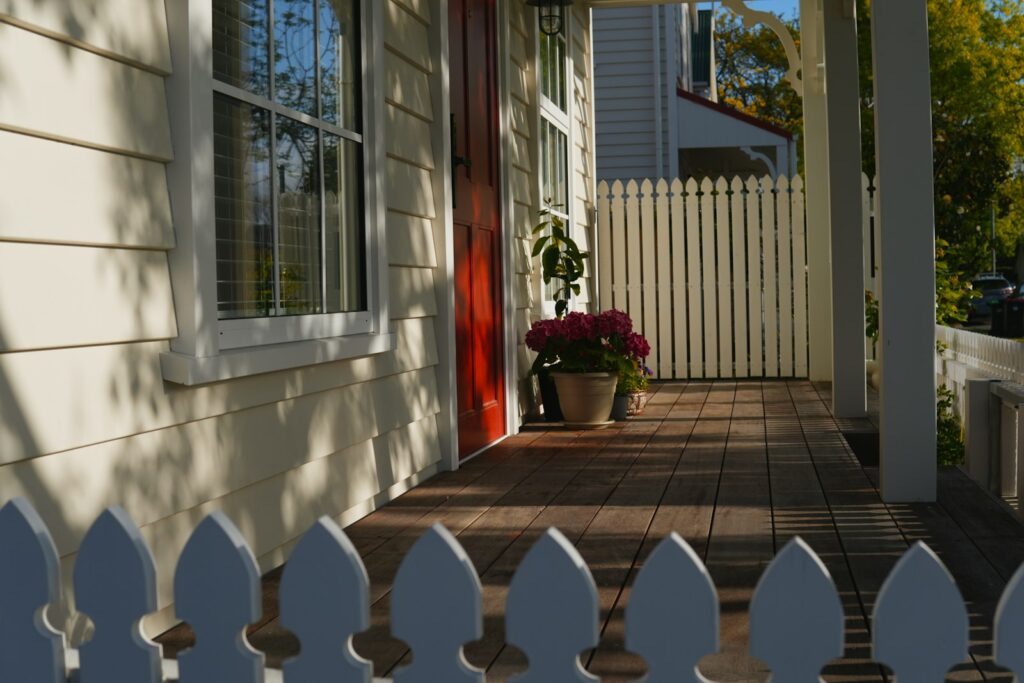
How the door works is just as important as how it looks. If it is becoming harder to open, close or lock, the mechanisms may be wearing out, and that can put the security of your home at risk. It is a problem worth dealing with promptly.
A replacement, whether uPVC or composite, can bring better locking systems, smoother operation, improved energy efficiency and a fresh look for the property. Local fitters can often visit quickly if security is a concern.
Wood as a third option, and security extras
Alongside uPVC and composite, timber remains the traditional choice for a front door and suits older-style homes especially well. Its drawback is upkeep, as wooden doors need regular varnishing and treatment to keep them looking their best.
uPVC has advanced a long way and now comes in white, wood effect or a wide range of RAL colours. It is a secure, easy-to-maintain and affordable option, with an average life expectancy of around 35 years. Composite doors retain heat very well but can be more expensive, which matters for anyone watching their spending.
Security deserves as much thought as looks, because the front door is a common way for burglars to get in. Whatever the material, choose a door with good locks and a solid build. Accessories such as letterboxes, handles and knockers help a door stand out, and CCTV cameras and video doorbells add another layer of security for the people and possessions inside.