
Understanding which court is responsible for which case is confusing. This guide looks at the role of the county court, which deals non criminal, or civil, matters
What is a civil case?
In a criminal case, an individual accused of breaking the law is prosecuted by the state. But a civil case involves a dispute between people or organisations. Examples include divorce or eviction. Civil cases are mainly dealt with by county courts and usually relate to personal injury, debt, repossession of property and insolvency.
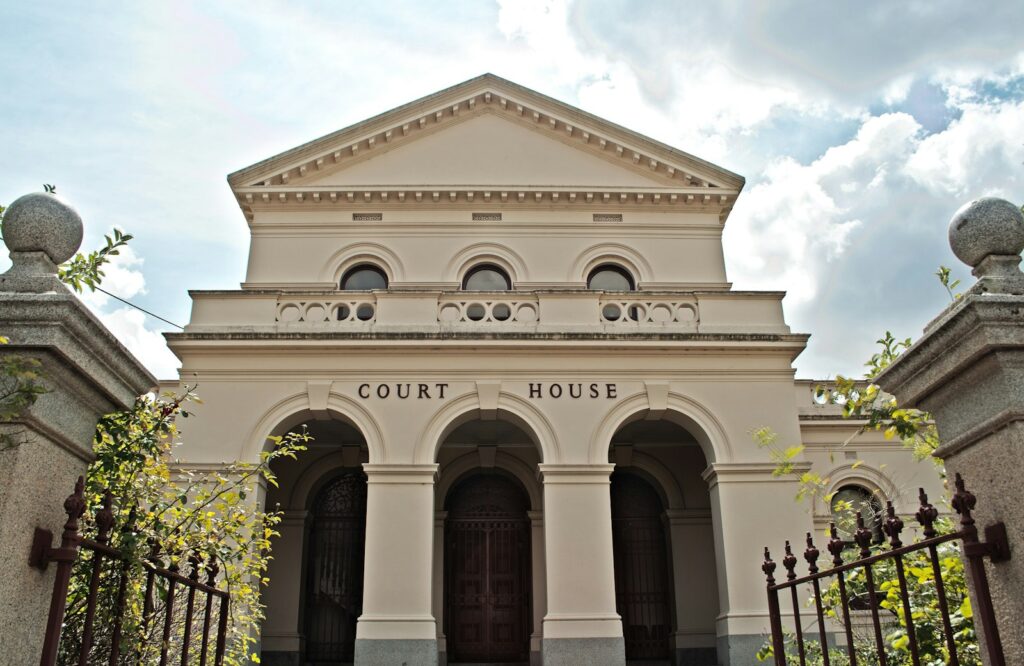
The types of cases include landowners wanting an order to prevent trespass, people who have been injured and want compensation and businesses trying to recoup money owed to them.
Most civil cases take place in the County Court, although magistrates deal with some civil matters such as pub licensing and if a case is particularly complex or important, it can be dealt with by the High Court.
Anyone who feels they have a legal case can instruct a lawyer to act on their behalf and a London law firm such as forsters.co.uk/ is just one example of firms which have a range of legal experts.
How does the County Court operate?
Most County Courts have a district judge who will hear cases, usually with a value of up to £25,000. They may also have permission from a Designated Civil Judge to hear higher value claims, although these are normally heard by a Circuit Judge, who also sits in the Crown Court. A judgment often rules that the money or property should be returned to the successful claimant.